Honolulu bed bug management demands a lethal combination of thermal convection and durable chemical barriers due to the island's persistent warmth and high humidity. In high-density rental units throughout Waikiki and…
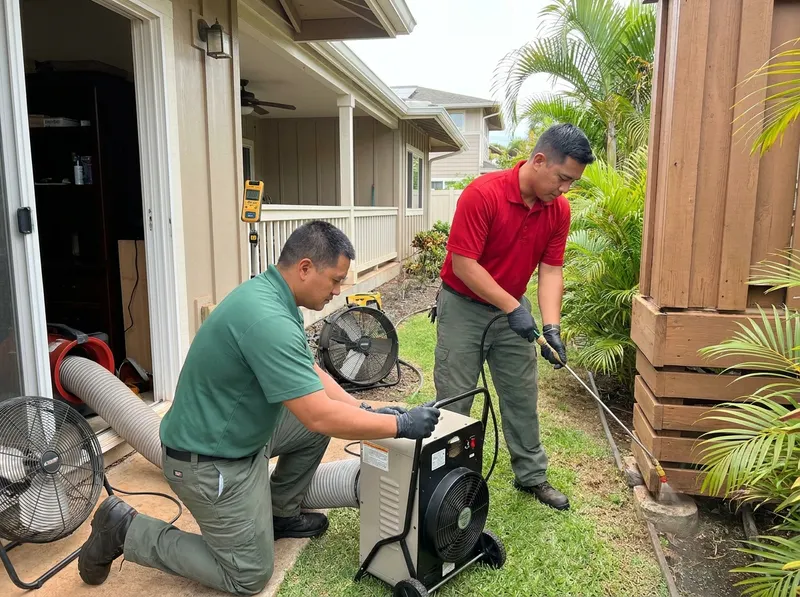
Honolulu bed bug management demands a lethal combination of thermal convection and durable chemical barriers due to the island's persistent warmth and high humidity. In high-density rental units throughout Waikiki and Moiliili, localized DIY retail sprays fail because they trigger pest dispersal into adjoining rooms or neighboring utility conduits. Thermal treatment elevates the structural envelope of the targeted zone between 122°F and 135°F using specialized mobile electric or forced-air heaters. This sustained temperature denatures cellular proteins across every developmental stage, destroying hidden eggs within mattress seams, behind headboards, and inside electrical faceplates that topical sprays miss entirely.
While convective heat penetrates dense textiles, furniture cushions, and deep wall recesses, thermal energy provides zero residual protection once cooling occurs. For this reason, the thermal process is integrated with a non-repellent, pet-friendly residual application applied around baseboards, carpet tack strips, and bed frame anchors. In windward and valley environments like Manoa and Nuuanu where ambient indoor moisture remains elevated, botanical desiccant dusts such as amorphous silica gel provide persistent mechanical control inside dry wall voids, unaffected by tropical moisture. In drier leeward communities like Hawaii Kai, Kahala, and Kaimuki, synthetic pyrethroid or neonicotinoid microencapsulated residuals remain active along sub-floor margins to eliminate transient bugs introduced on luggage or secondhand items.
Selecting whole-structure thermal remediation over repeated chemical fogging represents an explicit operational trade-off: thermal remediation demands meticulous pre-treatment preparation, such as removing candles, pressurized canisters, vinyl window blinds, and sensitive electronics, in exchange for immediate eradication within hours rather than weeks of repeated disruptive visits. In multistory residential buildings along Makiki and Kalihi, or single-family layouts in Aina Haina, the step-by-step operational process proceeds through direct phases: 1. Visual canine or physical confirmation of harborage margins. 2. Evacuation of pets, houseplants, and meltable goods. 3. Placement of industrial thermal sensors and high-velocity circulation fans to eliminate cold air pockets. 4. Sustained 4-hour heat soak above the 122°F lethal threshold. 5. Precision perimeter micro-barrier application upon cooldown. Physical arrangements can be finalized by contacting (808) 207-0966.
Every job gets a firm, written price after a free on-site visit.
Tell us about your bed bug heat and residual service job in Honolulu and we'll send a clear, written quote, usually the same day.
 Cadrin Bug Removal